
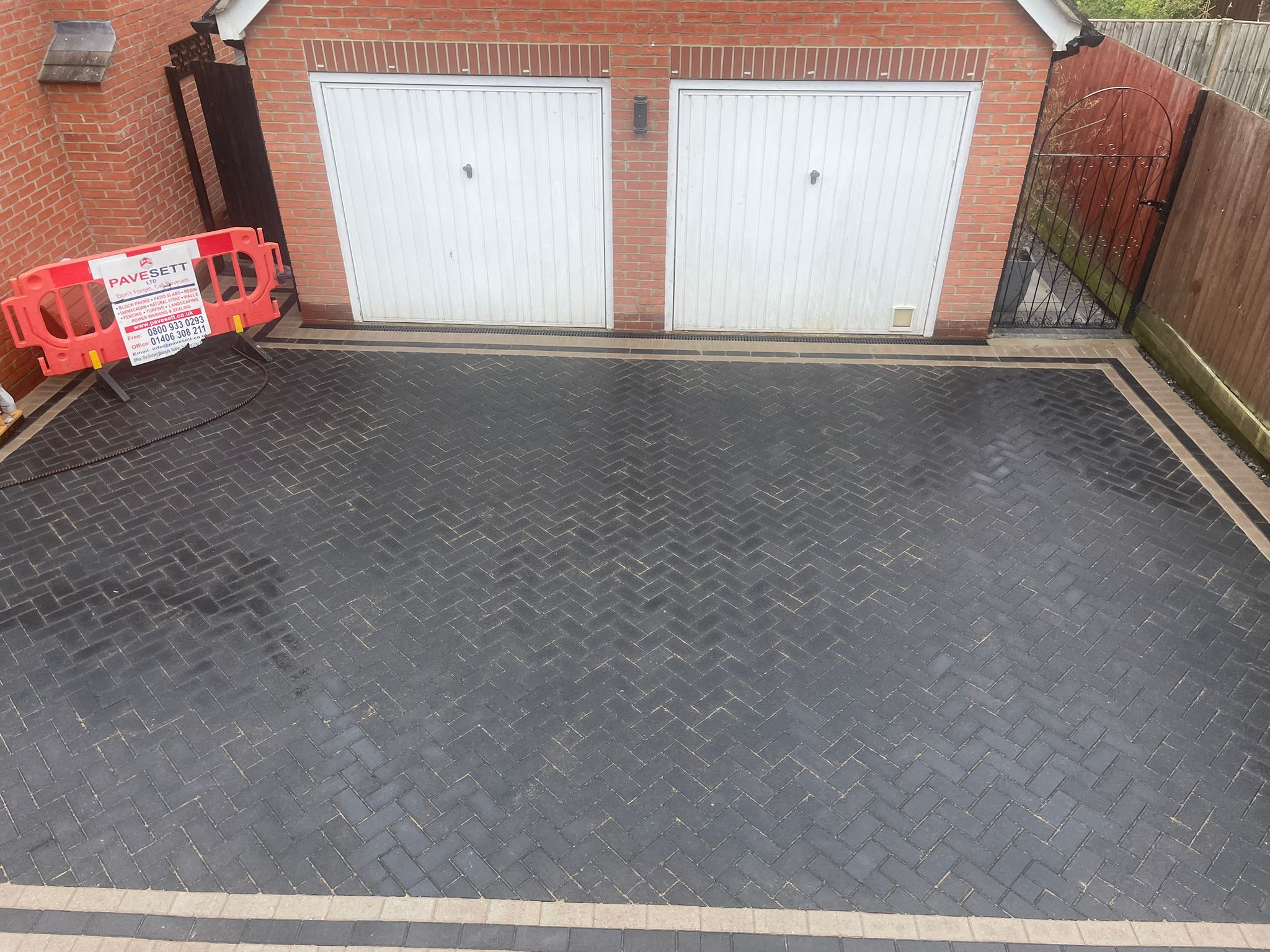
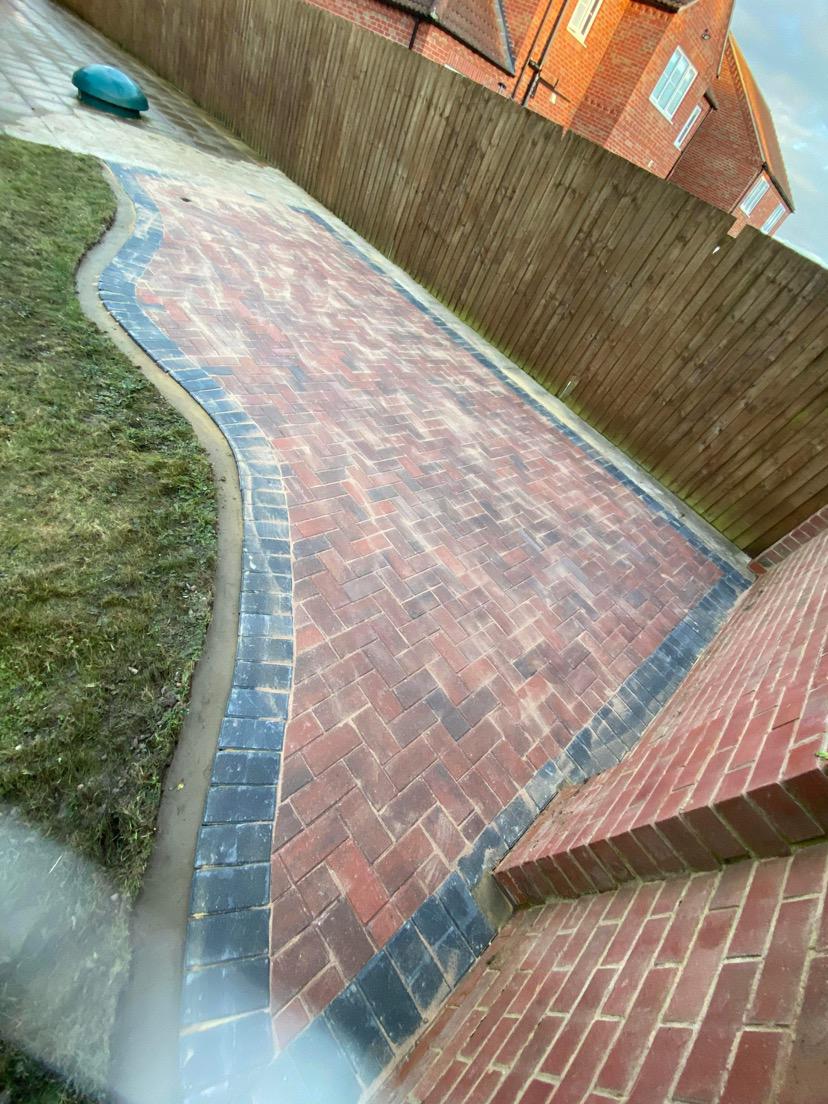
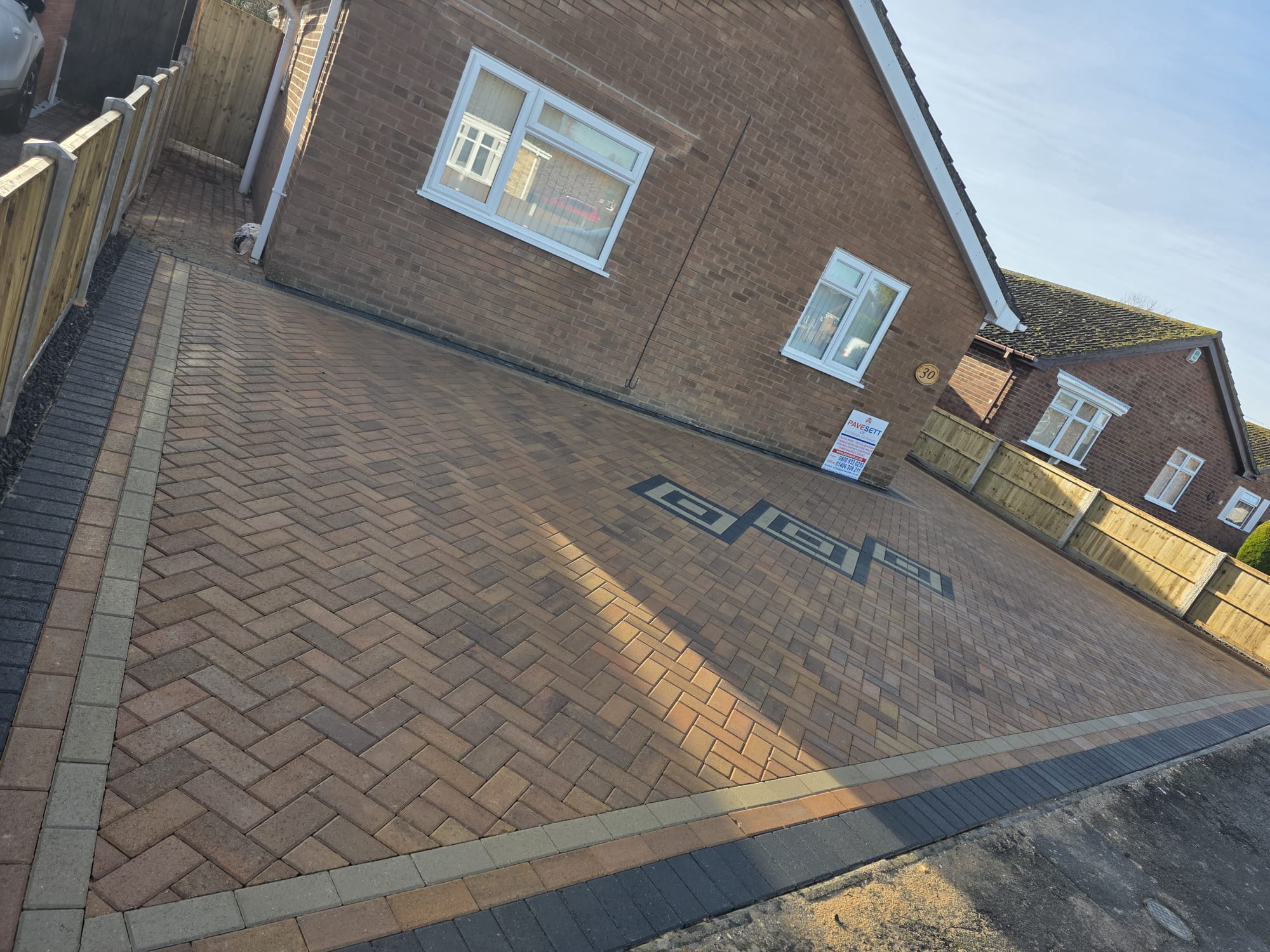
Herringbone
The 45-degree herringbone pattern gives the highest structural interlock of any laying pattern. It resists creep under vehicle loads and is the specified pattern for all trafficked areas by most block manufacturers.
Marshalls and Brett approved. Laid on a compacted MOT Type 1 sub-base. Sealed once cured. Guaranteed for ten years in writing.
Block paving is individual concrete or clay bricks laid on a compacted sharp sand laying course, over a MOT Type 1 sub-base compacted to a minimum 100 mm. Once laid, kiln-dried sand is brushed into the joints and the surface is sealed to prevent weed ingress and resist oil staining. The result is a surface that looks as good in ten years as it does the day we finish.
Individual blocks can be lifted, reset and relaid without trace if a utility company needs drain access or a block is ever damaged. No other driveway surface allows this.
Open-jointed block paving meets SuDS requirements, allowing rainwater to drain directly through the surface. No planning permission needed in most residential cases.
Properly installed block paving on a sound sub-base outlasts tarmac, resin and concrete. The sub-base is the long-term investment — the blocks are the finish.
We lay all standard patterns and work with the major manufacturers. You choose the look — we specify what works structurally.
The 45-degree herringbone pattern gives the highest structural interlock of any laying pattern. It resists creep under vehicle loads and is the specified pattern for all trafficked areas by most block manufacturers.
Blocks laid in running rows offset by half a block — like brickwork. Gives a clean, contemporary look. Works well with larger format blocks and modern property styles. Strong enough for light vehicle use.
Pairs of blocks laid alternately horizontal and vertical. A traditional pattern that suits older and period properties. Less structural interlock than herringbone — we recommend it for paths and lightly trafficked areas.
Five stages, done properly, in order. We don't cut corners on preparation — that's where driveways fail.
We come to you, measure the area, check the existing surface and drainage, and give you a written quote within one working day. No obligation, no pressure.
Existing surface removed and taken away. Depth of excavation depends on the sub-base requirement — typically 200–250 mm below finished level.
Minimum 100 mm of Type 1 crushed limestone, laid and compacted in layers with a vibrating plate. This is the foundation. Everything above it depends on this being right.
A 25–40 mm screed of sharp sand, screeded level to falls. Edge courses and soldier courses laid first to contain the field.
Blocks laid in the specified pattern, compacted with a vibrating plate over a rubber mat. Kiln-dried sand brushed into all joints. Surface sealed once the sand has fully settled — typically 24–48 hours after completion.
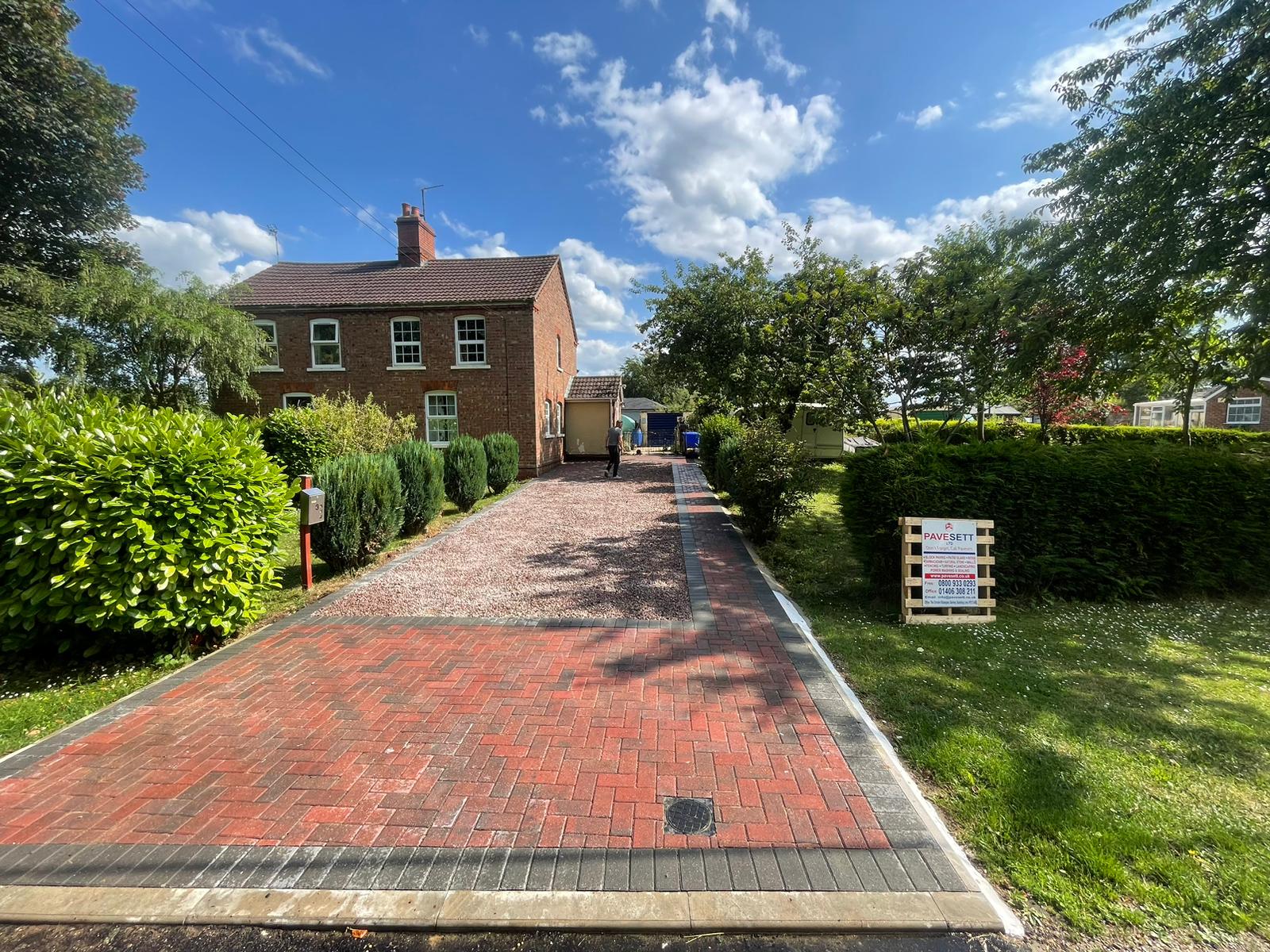
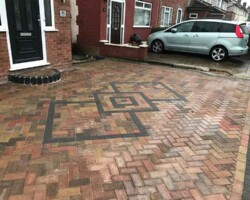
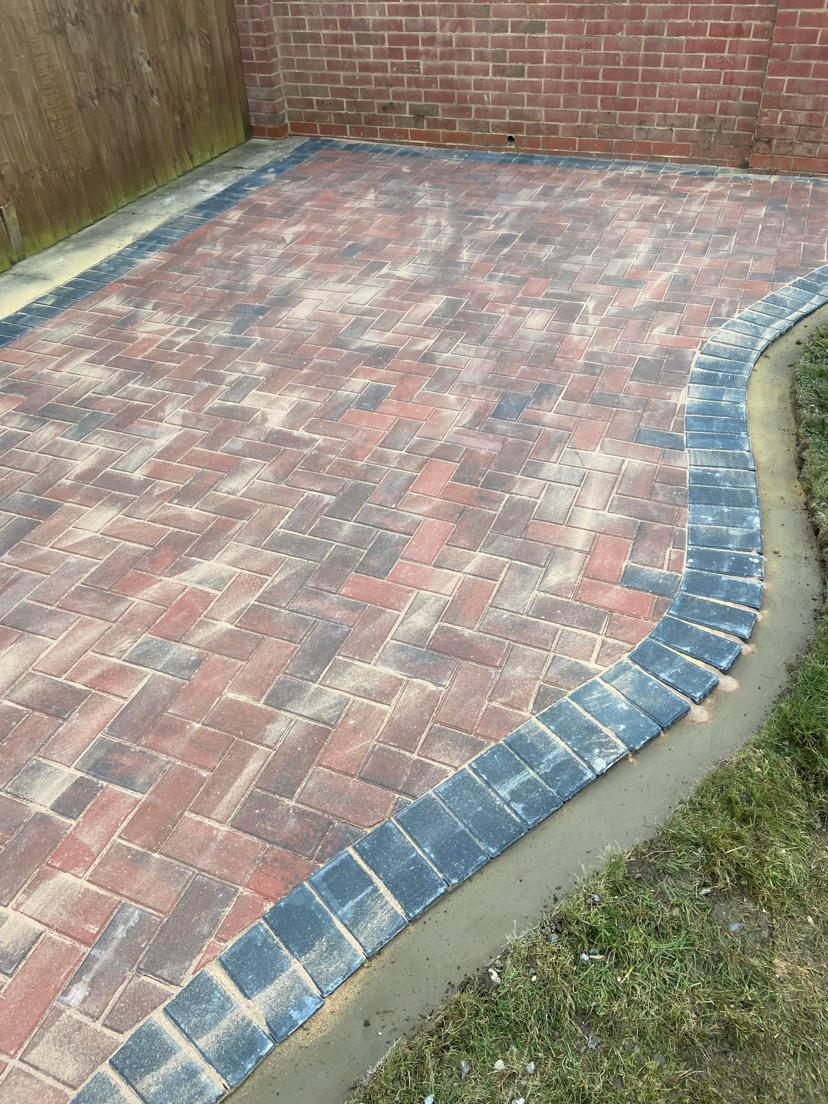
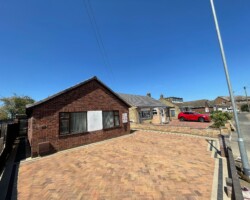
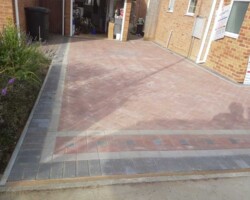
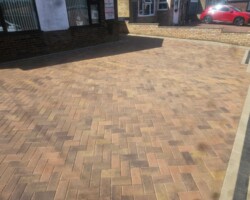
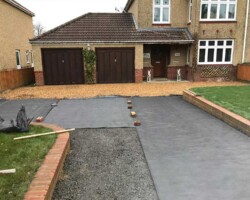
Real projects from real customers across South Lincolnshire.
80+ Google reviews. Real names, real postcodes, no edits.
Two and a half years on, the drive looks like the day they finished. That's the test, isn't it.
Tidied up every evening — you'd hardly know there was a job on. Quoted to the penny, finished the day they said they would.
We had three quotes. Pavesett wasn't the cheapest. We're glad we paid the difference.
Four questions, one minute. Written quote within one working day.